
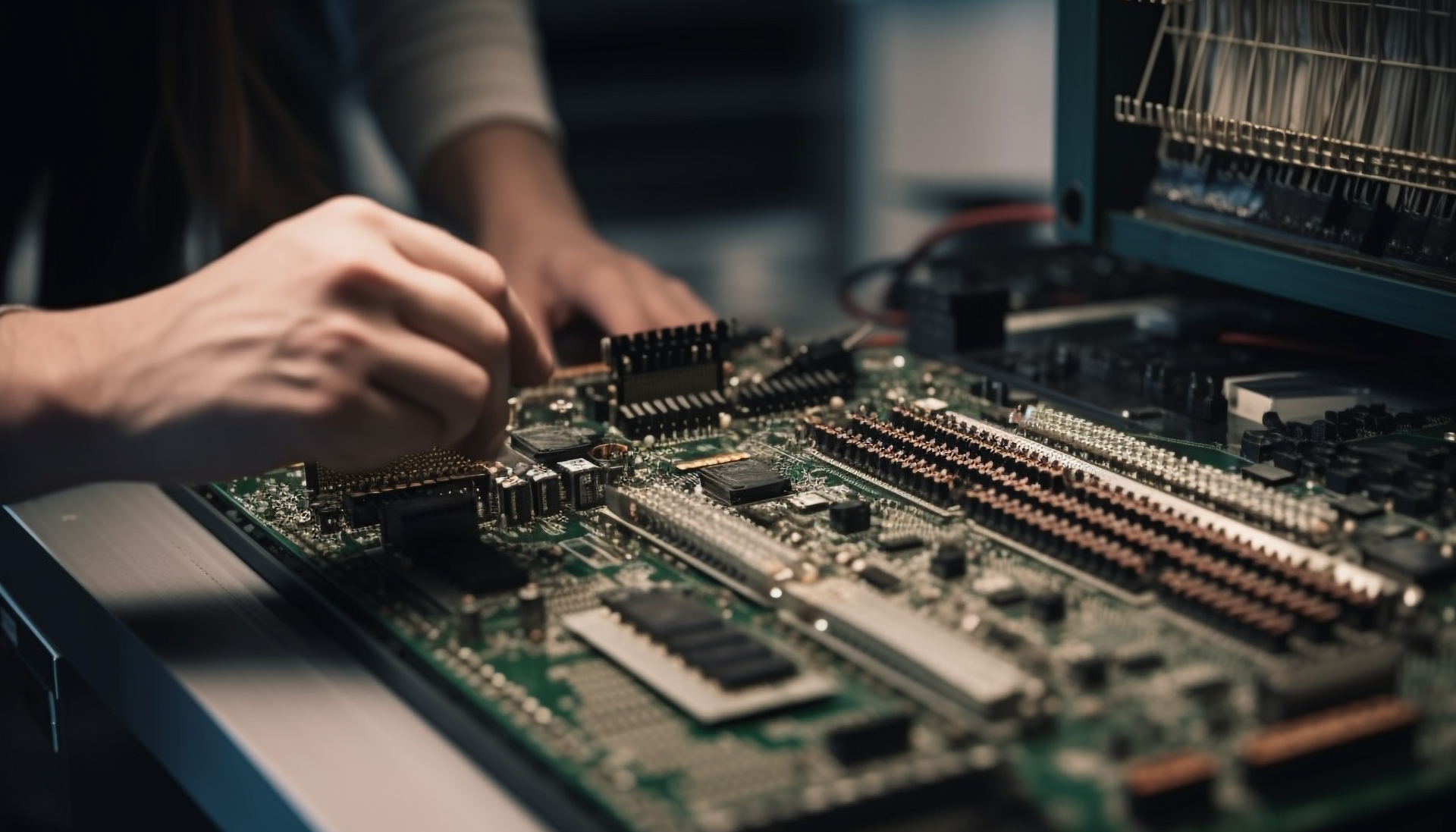
Your business server works behind the scenes every day. It stores files, runs applications, supports communication, and keeps employees productive. When it begins to struggle, the effects reach every part of your business.
Many companies wait until a server completely fails before considering a replacement. That approach often leads to unexpected downtime, rushed decisions, and unnecessary stress. Planning gives your business more control and helps you avoid costly interruptions.
If you have noticed slower performance, recurring issues, or growing security concerns, it may be time to evaluate whether your current server still meets your needs.
Performance
A server should support your team without slowing them down. If employees regularly wait for files to open, applications to load, or backups to finish, your server may no longer have the resources to keep up.
Business demands naturally increase over time. More users, larger files, cloud integrations, and additional software all place greater demands on server hardware. A server that performed well several years ago may now create daily bottlenecks.
Frequent performance problems often indicate that the hardware has reached its practical limits rather than needing another temporary repair.
Storage
Running out of storage affects much more than available space. It can slow system performance, delay backups, and make it difficult to manage business growth.
Adding external drives or constantly deleting files may solve the problem for a short time. However, these workarounds rarely provide the reliability that growing businesses need.
Modern servers offer larger storage capacity, faster solid-state drives, and improved data management features that help businesses grow without constant storage concerns.
Reliability
Occasional maintenance is normal. Repeated crashes, unexpected restarts, or hardware failures are not.
As server components age, the likelihood of hardware failure increases. Hard drives, power supplies, and memory all experience wear over time. Older servers may also become more difficult to repair because replacement parts are no longer readily available.
Unexpected downtime can interrupt customer service, delay projects, and reduce employee productivity. According to IBM, organizations with complex infrastructure often experience greater operational challenges when downtime occurs across multiple systems.
Replacing aging hardware before failures become frequent helps reduce these business risks.
Security
Cybersecurity changes quickly. New threats appear every year, and software vendors regularly release updates to address newly discovered vulnerabilities.
Older servers often reach end-of-support status, meaning they no longer receive important security updates. Without ongoing patches, businesses face greater exposure to security risks.
The National Institute of Standards and Technology (NIST) also emphasizes the importance of secure server firmware and regular updates to protect critical systems from compromise.
Modern servers include stronger security features, improved encryption support, and hardware designed to work alongside today’s cybersecurity best practices.
Planning
Many organizations replace business servers every three to five years. The exact timeline depends on workload, hardware quality, software requirements, and future growth plans.
Rather than waiting for failure, businesses benefit from creating a replacement strategy before problems become urgent.
A planned replacement allows you to:
- Schedule migration during convenient business hours
- Budget for new equipment over time
- Test applications before deployment.
- Minimize disruption for employees
Planning ahead also gives your IT provider time to recommend solutions that align with your long-term business goals, rather than making emergency decisions.
Scalability
Your server should support where your business is headed, not just where it is today.
Modern server solutions offer greater processing power, larger memory capacity, improved virtualization support, and easier integration with cloud services. These improvements make it easier to support remote employees, expanding teams, and new business applications.
Instead of replacing hardware every time your business grows, scalable infrastructure gives you room to expand with fewer disruptions.
Businesses throughout Utah continue adopting hybrid environments that combine on-premises infrastructure with cloud services. A modern server provides the flexibility needed to support that approach while maintaining strong performance and reliability.
Partnership
Replacing a server is not simply about installing new hardware. It involves evaluating your business applications, protecting your data, planning migration, and minimizing downtime throughout the process.
Working with an experienced IT partner helps ensure that every step is carefully planned. From selecting the right hardware to completing secure data migration, professional guidance reduces risk and helps your business stay productive.
At LAN Professionals, we help Utah businesses evaluate their existing infrastructure, plan server upgrades, and implement reliable technology to support long-term growth. Whether your organization needs a traditional on-premises server, a hybrid environment, or guidance on future scalability, our team can help you make informed decisions.
If your server has become slower, less reliable, or harder to maintain, now is the right time to start the conversation. Contact LAN Professionals to schedule a server assessment and discover solutions that keep your business secure, efficient, and ready for future growth.